In The Frame | August 2026
Gallery Director Jo Duke gives exclusive Membership insights into the Sunshine Coast National Art Prize 2026.
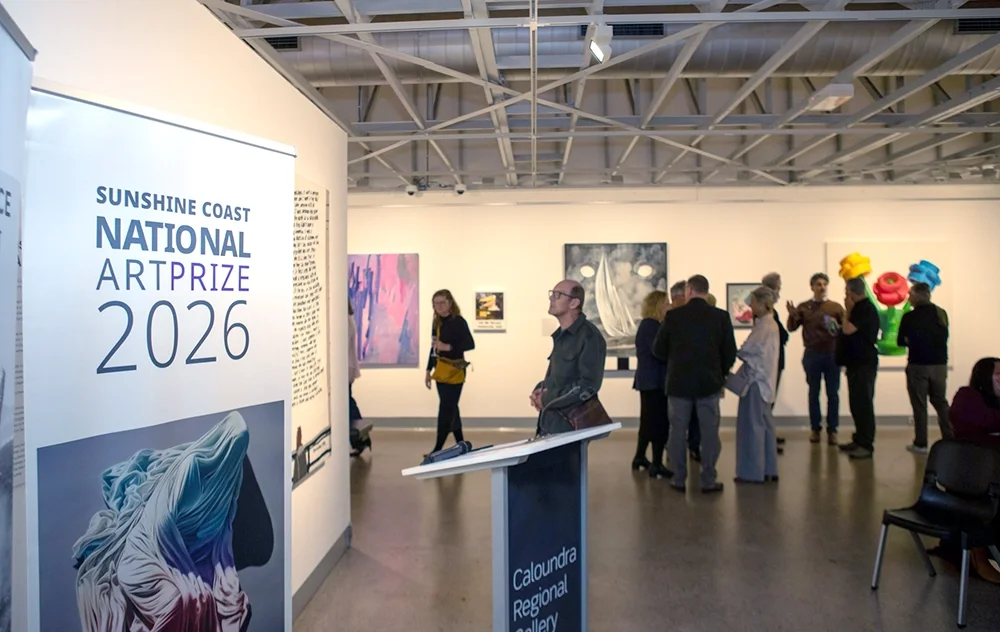
The Sunshine Coast National Art Prize is one of the exhibitions I look forward to most each year. Bringing together artists from across Australia, it offers a unique glimpse into the ideas, stories and perspectives shaping contemporary art today. It's a chance to connect with work that challenges, inspires and surprises us, while celebrating the creativity and talent that continue to enrich Australia's cultural landscape.
This year, we received 477 entries from artists across Australia, representing every state and territory. That breadth of participation is exciting because it allows us to see what artists around the country are thinking about, responding to and creating right now. Contemporary art, by its very nature, reflects the present. It captures ideas, concerns, observations and experiences as they unfold, whether those are deeply personal, locally focused or connected to larger global conversations.
One of the privileges of working on the Prize is being part of the selection process. This year, a panel of seven people, including gallery staff and external advisers, came together to review every entry. Looking through nearly five hundred works is both inspiring and challenging. While some decisions are made relatively quickly, the closer you get to the final selection, the harder the conversations become.
By the time we are discussing the final group of works, every panel member has pieces they feel strongly about. These are the artworks that have resonated with them, challenged them or revealed something unexpected. At that stage, the discussions become highly detailed. Decisions can come down to the smallest distinctions in execution, concept or presentation. The standard is incredibly high, and every work under consideration has merit.
One important thing many people don't realise is that the selection panel is not viewing the artworks in person. We are assessing digital submissions, looking at thumbnail images projected onto a screen. That creates its own challenges. We know the dimensions of the works, but scale can still be deceptive. Some pieces appear monumental on a screen but arrive as intimate works, while others possess a physical presence that simply can't be conveyed digitally.
We are always aware that we are viewing representations rather than the actual artwork. That understanding forms part of every discussion and decision. It is also one of the reasons I am continually surprised when the selected works arrive in the Gallery and reveal qualities that weren't visible during the selection process.
What becomes particularly fascinating when reviewing hundreds of entries is seeing patterns emerge. Certain concerns and themes surface repeatedly, offering insights into the issues occupying artists’ minds across the country.
This year, political subject matter featured strongly. Many artists responded to events occurring in Australia, but there was also a notable engagement with developments in the United States. That says something about how connected our world has become and how readily international events influence artistic expression here at home.
One of the most compelling works in the exhibition was inspired by protests against ICE operations in the United States. The artwork references protesters who used oversized costume characters as part of a creative, non-violent demonstration. On first viewing, the work appears colourful, playful and familiar. Yet beneath that surface lies a powerful reflection on protest, community action and social justice.
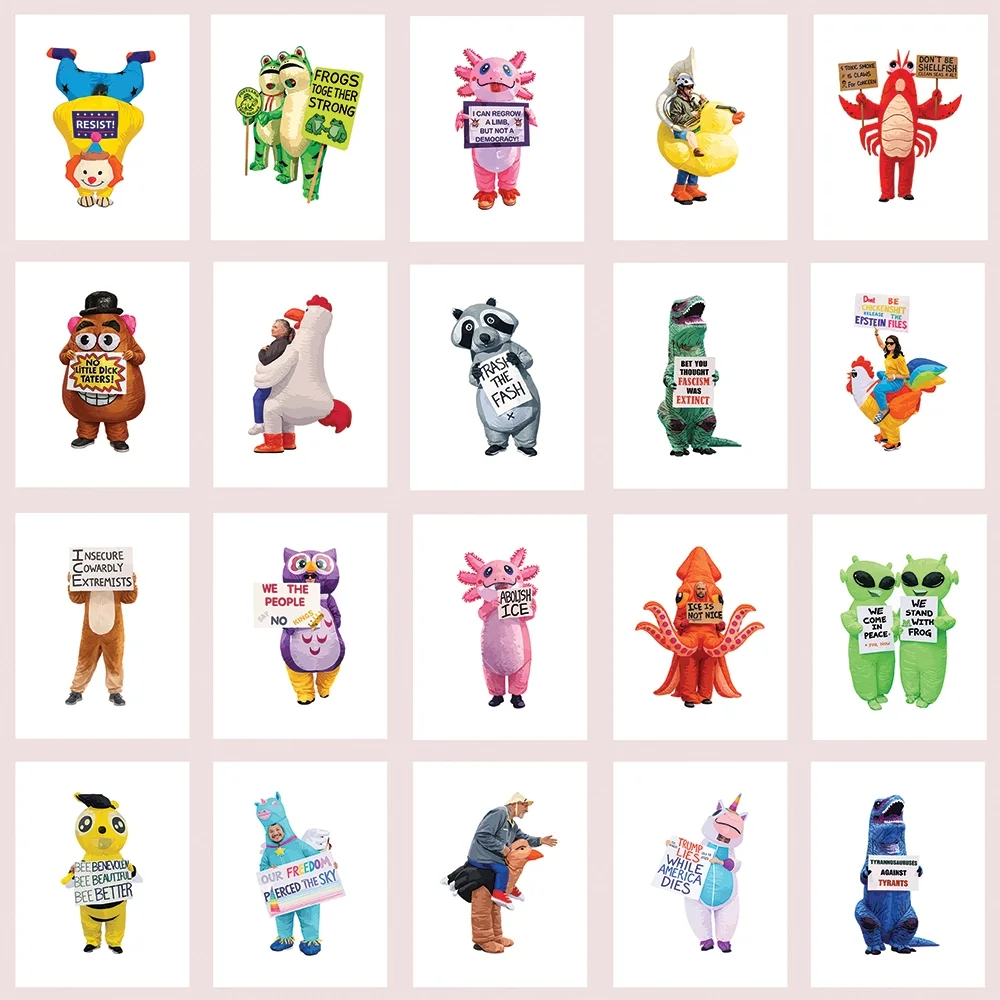
Image: Erica Seccombe | Operation inflation | 2026 | 20 digital pigment-ink prints on paper | 155 x 155cm | Image courtesy of the artist.
For me, that is one of the strengths of contemporary art. The first impression is rarely the complete story. Many of the works selected for this exhibition reward a second look, a closer reading of the accompanying text, or a willingness to spend time considering the ideas that sit beneath the surface. I always encourage visitors to read the expanded labels and explore the stories behind the artworks. Often, that's where the richest discoveries are made.
The diversity of media represented this year is another reflection of contemporary Australian practice.
Painting remains the most popular form of artistic expression among entrants. Of the 477 submissions received, 267 were paintings, and ultimately seventeen paintings were selected for the exhibition. Painting continues to evolve in remarkable ways, and artists are constantly finding new approaches to a medium that has been part of artistic practice for centuries.
Alongside these are six digital prints, demonstrating the increasing importance of digital technologies within contemporary art. These works are not simply about technical processes; they use digital tools as a means of exploring new ideas and new ways of communicating with audiences.
Textile practice is another area that continues to grow in strength. Six textile works have been selected for this year's Prize, each approaching the medium in very different ways. Contemporary textile artists are doing extraordinary things with fibre, fabric and thread, using these materials to explore themes ranging from identity and memory to technology, politics and participation.
One of the selected textile works incorporates a functioning QR code. Visually, it presents as a beautiful abstract composition, but viewers have the option to scan the code and enter another layer of the artwork. What I find fascinating is that the artist leaves that decision entirely in the audience's hands. Participation is offered rather than required, allowing each visitor to determine their own level of engagement with the work.
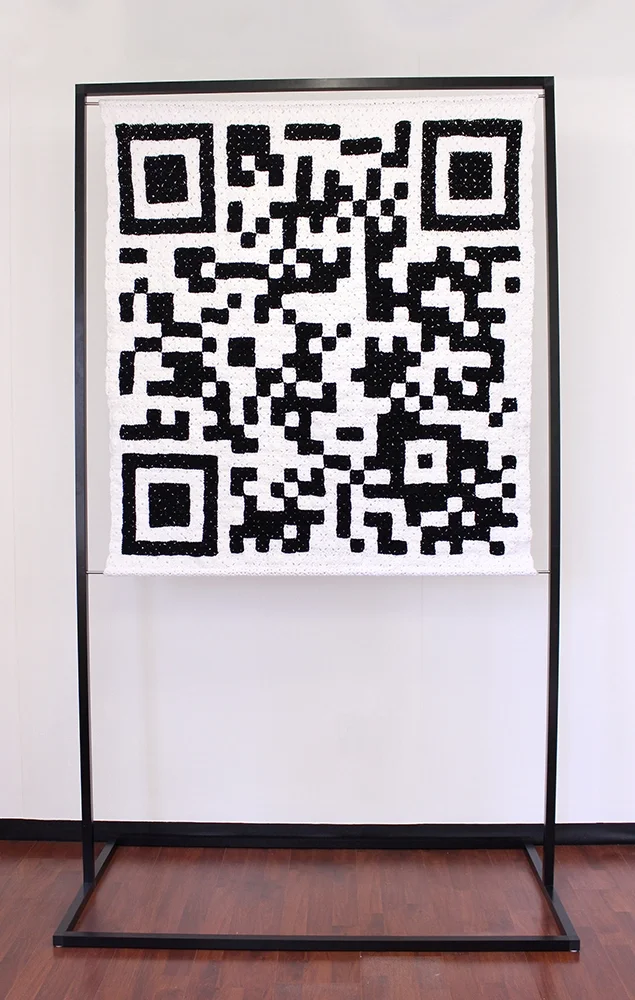
Image: Louella Michael | Untitled experience | 2024 | crochet quilt | 125 x125cm | Image courtesy of the artist
The exhibition also includes five works on paper, comprising drawings, an etching and a watercolour. These works often possess an intimacy and immediacy that can be particularly rewarding for viewers willing to spend time with them.
Moving image continues to be an important area of contemporary practice. This year we received around twenty-four video submissions, from which four works were selected.
Interestingly, these were among the most debated works during the selection process. Video often sits at the intersection of multiple disciplines, prompting discussions about the relationship between documentation, storytelling and fine art. Several submissions sparked spirited conversations within the panel, with differing views about where those boundaries should be drawn.
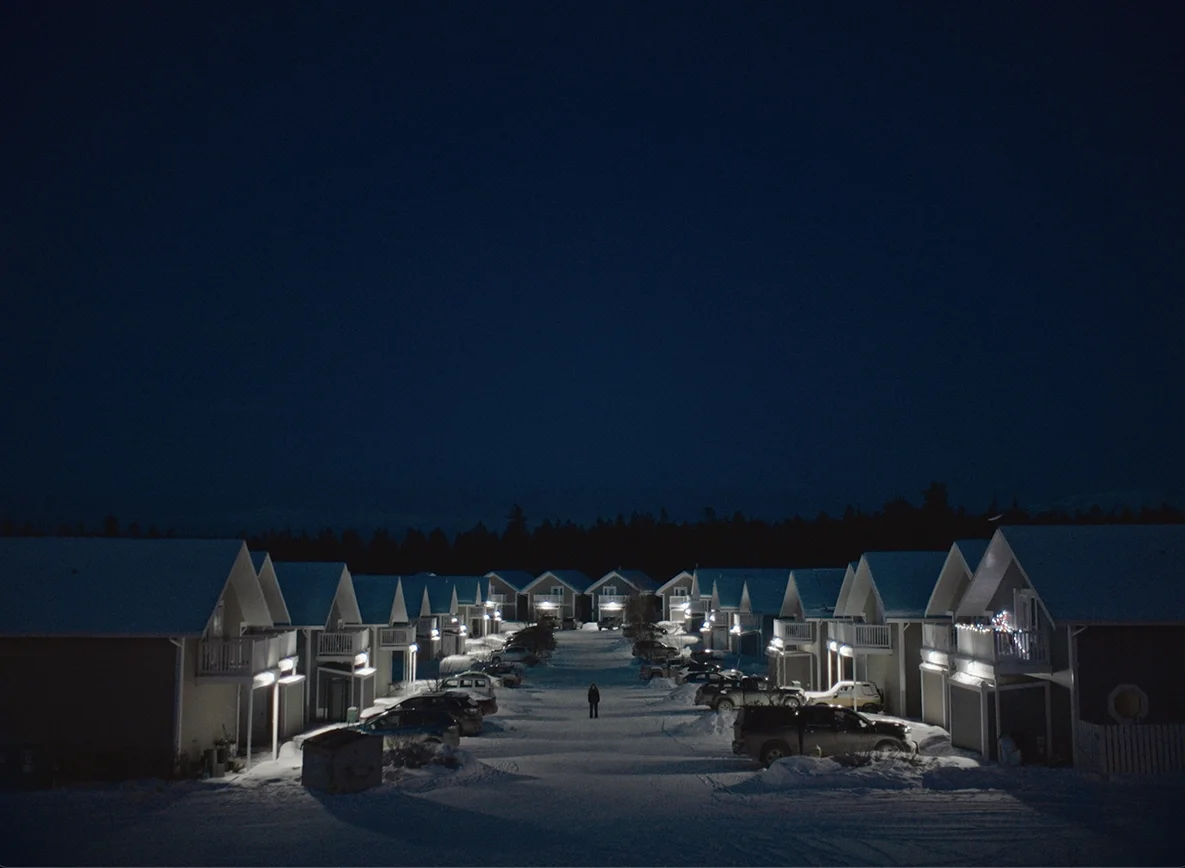
Image: Jessica DiCosta | Still from KOMA | 2024 | Video | digital video, duration 10:35 | Image courtesy of the artist
Those discussions are valuable because contemporary art frequently challenges existing categories. What matters most is not whether a work fits neatly into a definition, but whether it communicates effectively, engages audiences and achieves its artistic intent.
Alongside the paintings, textiles, works on paper, digital works and videos are mixed-media pieces that further expand the breadth of the exhibition. Together, these works create a rich and varied presentation of contemporary practice from across Australia.
Of course, any exhibition of this scale will generate a wide range of responses.
There will be works that visitors immediately connect with and others that may not resonate at all. There will be artworks that spark conversations and opinions. And there will be works that continue to linger in people's minds long after they have left the gallery.
For me, those are often the most successful works. They are the pieces that create a sense of curiosity, uncertainty or intrigue. They encourage us to keep thinking, to return for another look, and to consider ideas from a new perspective. Art doesn't always need to provide answers. Sometimes its greatest value lies in the questions it asks.
Seeing the exhibition in person is an essential part of that experience.
While it is wonderful that audiences can view works online, no digital image can fully capture the physical qualities of an artwork. The texture of paint, the detail of an etching, the structure of a woven textile or the immersive qualities of moving image works can only truly be appreciated when standing directly in front of them. These physical encounters remain one of the most powerful aspects of visiting a gallery.
Once the works arrive, another challenge begins: bringing them together within the gallery space.
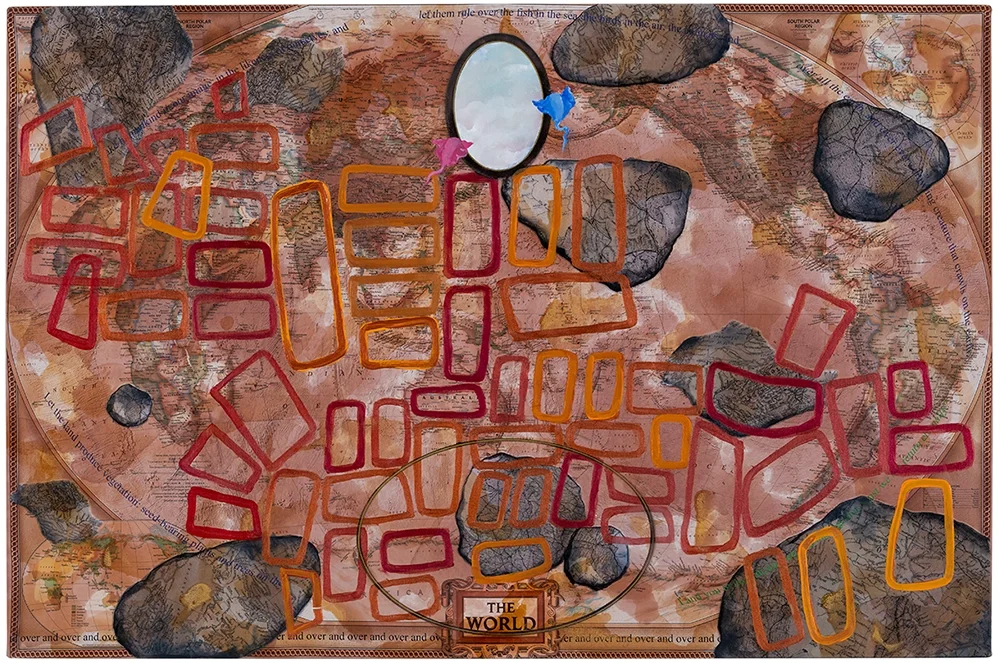
Image: Kumanjayi (Walala) Tjapaltjarri (c. 1962 - 2026) and Michael Ether | We are still creating ourselves II | 2026 | acrylic on canvas | 99 x 150cm | Image courtesy of FireWorks Gallery, Brisbane; Photograph by Mick Richards
Hanging an exhibition such as the Sunshine Coast National Art Prize is very different from curating a themed exhibition. The selected works span a broad range of subjects, materials and approaches. Rather than following a single narrative, the exhibition must be shaped through relationships between scale, colour, form and visual rhythm.
One of the aspects I enjoy most is creating conversations between large and small works. Small works encourage viewers to move closer and look carefully, while larger works can envelop viewers and command attention from across the room. Balancing those experiences helps create a dynamic journey through the gallery.
The installation process often begins long before a single artwork reaches the wall. I spend considerable time thinking about how visitors will enter the exhibition, what will greet them first and how their eye will move through the space. Sometimes a colour in one artwork draws attention toward another nearby work. Sometimes unexpected thematic connections emerge. Often it is these subtle visual relationships that guide visitors through the exhibition without them even realising it.
At the same time, every work needs room to breathe. The challenge is to create a cohesive journey while ensuring that individual artworks retain their own presence and impact. That balance is what makes installation both demanding and rewarding. Every year I reach a point where I wonder how it will all come together, and every year it somehow does.
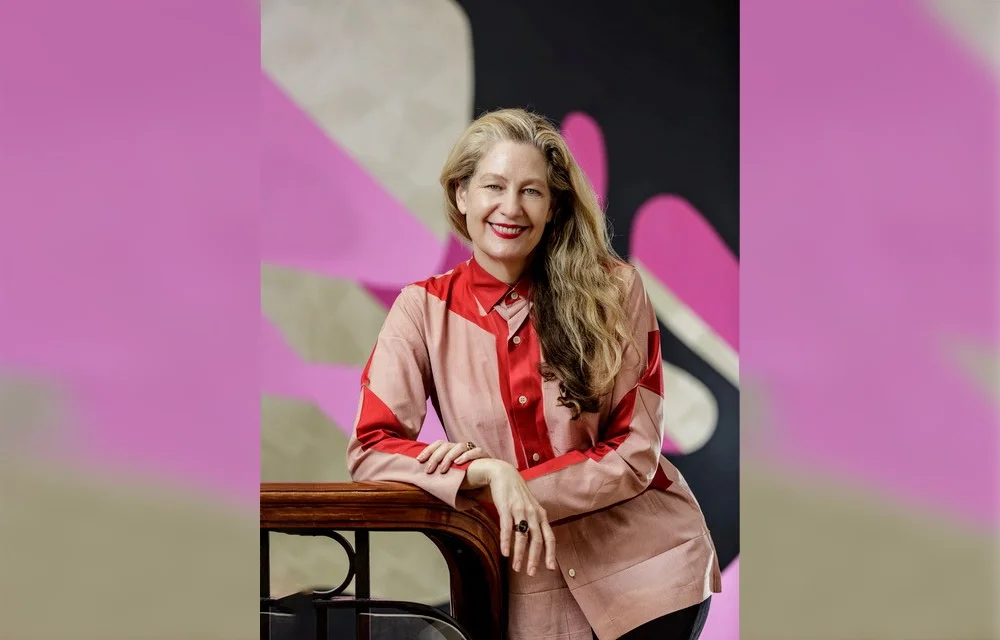
Image: Sunshine Coast National Art Prize 2026 Guest Judge Rhana Devenport. Image supplied.
Finally, I am delighted that this year's judge is Rhana Devenport, one of Australia's most respected arts leaders and curators. Rhana brings an extraordinary depth of experience, having held significant roles at QAGOMA, Auckland Art Gallery and the Art Gallery of South Australia, as well as contributing to major national and international exhibition projects throughout her career.
Her understanding of contemporary art, curatorial practice and collection development makes her exceptionally well placed to judge this year's Prize. For the Gallery, the acquisitive award is always a particularly exciting moment because the winning artwork becomes part of the Sunshine Coast Art Collection, ensuring that it remains accessible for future generations.
As Gallery Members, you have an opportunity to experience this exhibition in a deeper way. I encourage you to spend time with the works, revisit them if you can, read the accompanying stories and allow yourself to be surprised.
The Sunshine Coast National Art Prize 2026 is more than a showcase of outstanding artworks. It is a gathering of ideas, perspectives and creative responses from across Australia. Together, these works offer a powerful insight into the issues, concerns and aspirations shaping contemporary culture today.
Most importantly, come and see the exhibition in person and cast your vote in the People's Choice Award. You may discover a work that challenges you, delights you or stays with you long after you leave the gallery. That possibility is what makes art so rewarding, and what makes this Prize such a special part of our year.
Jo Duke,
Gallery Director